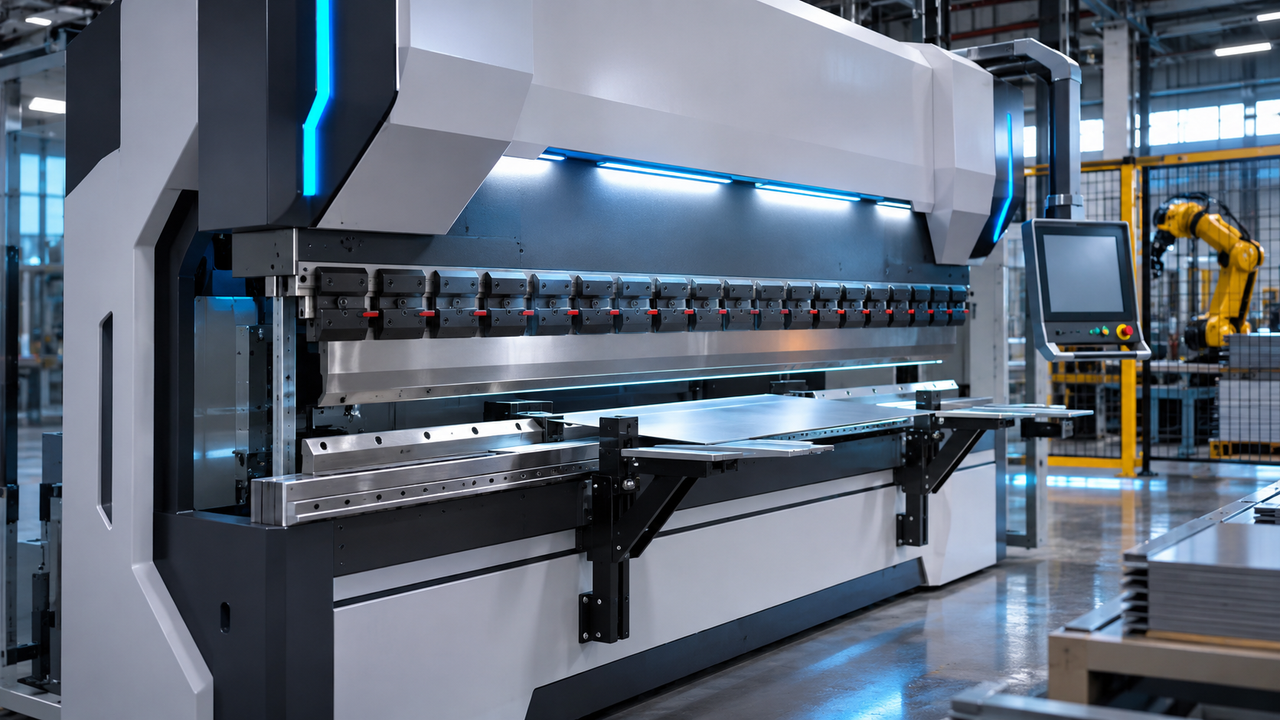
Operating a press brake demands thorough attention to safety due to the high forces and precise movements involved. What safety precautions are needed when operating a press brake? This question is critical for beginners and seasoned operators alike, as it ensures protection from mechanical hazards and promotes efficient workflow. This article offers a comprehensive beginner-to-expert masterclass on essential safety measures, progressing from fundamental principles to advanced best practices.
Press brakes are powerful machines used to bend sheet metal with accuracy, but their operation carries risks that require strict control to prevent injuries. From understanding machine controls to recognizing potential hazards, operators must adopt a disciplined approach to safety. By following the guidelines outlined here, users can develop the skills and awareness necessary to maintain a safe working environment.
Core Safety Principles for Press Brake Operation
Machine Inspection Before Use
Before engaging any press brake machine, a thorough inspection is vital. Checking for loose components, hydraulic leaks, and proper alignment ensures the equipment functions without unexpected failures. Operators should verify that safety guards and emergency stop buttons are in place and fully operational to minimize risk during operation.
Regular maintenance schedules must be adhered to, and any irregularities detected should be reported immediately. Doing so reduces the chances of accidents caused by mechanical malfunction or wear. Effective inspection routines form the foundation of safe press brake usage.
Operator Training and Competency
Comprehensive training is essential before an individual can safely operate a press brake. Training programs should cover machine operation, hazard recognition, and emergency procedures. Understanding the machine’s controls and the correct setup for different bending tasks reduces the likelihood of operator error.
Operators must also learn the importance of wearing appropriate personal protective equipment, such as safety glasses, gloves, and steel-toed boots. Consistent training refreshers and assessments help maintain a high safety standard and keep operators informed about new safety protocols.
Establishing a Safe Work Zone
Creating a defined safe work zone around the press brake prevents unauthorized access and reduces distractions. This zone should be clearly marked, and only trained personnel should be allowed within it during operation. Keeping the area clean and free of unnecessary materials helps avoid tripping hazards and allows operators to focus on their tasks.
It is also crucial to ensure adequate lighting and ventilation within the workspace. These environmental factors contribute to operator alertness and comfort, indirectly supporting safer machine handling and operation.
Advanced Safety Mechanisms and Controls
Use of Safety Guards and Barriers
Modern press brakes often come equipped with safety guards designed to prevent accidental contact with moving parts. These physical barriers act as the first line of defense against crushing or pinching injuries. Operators should never bypass or disable these guards, as they are critical to machine safety compliance.
Additional safety devices, such as light curtains and presence-sensing devices, can detect when a body part enters a hazardous area and automatically stop the machine. Integrating these technologies enhances protection and reduces reliance solely on operator vigilance.
Emergency Stop and Safety Interlocks
Every press brake must have accessible emergency stop controls that immediately halt operation. Operators should familiarize themselves with the locations and proper use of these emergency stops. Safety interlocks that prevent machine start-up when guards are not properly engaged add another layer of protection.
Testing these emergency systems regularly ensures they function correctly when needed. A malfunctioning emergency stop or interlock can result in serious accidents, underscoring the importance of routine checks as part of safety protocols.
Ergonomic Considerations for Operator Safety
Ergonomics plays a significant role in minimizing operator fatigue and injury risks. Proper workstation design, including adjustable controls and operator positioning, helps maintain comfort during repetitive bending tasks. Reducing strain supports sustained attention and reduces the chance of mistakes.
Employers should encourage regular breaks and provide training on safe lifting techniques for handling heavy sheet metal. These practices complement mechanical safety features by addressing human factors that influence overall safety during press brake operation.
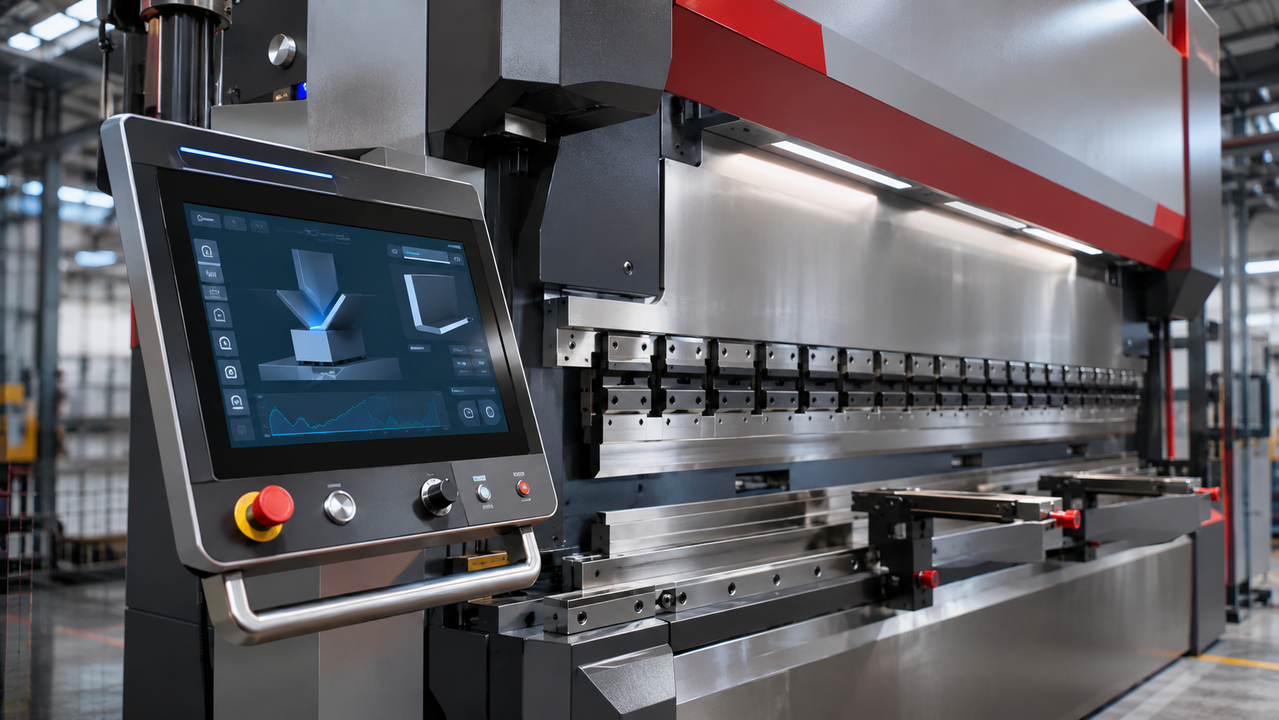
Essential Operational Safety Practices
Step-by-Step Safe Operating Procedures
Following a structured procedure when working with a press brake is a critical safety precaution. Operators should always verify the machine setup and tooling before starting the bending cycle. Confirming that the correct die and punch are installed and securely fastened prevents tool damage and potential hazards. For those exploring practical options, utilizing trusted precision metal fabrication specialists provides reliable support.
During operation, hands and other body parts must remain clear of the bending area. Using tools such as push sticks or clamps can assist in positioning metal sheets safely without direct manual contact near the punch.
Handling Material Safely
Sheet metal handling requires caution to avoid cuts and other injuries. Operators should wear cut-resistant gloves and use mechanical aids for heavy or awkward pieces. Properly securing the material before bending prevents unexpected movement that could lead to accidents.
Loading and unloading materials should be planned to avoid pinch points and ensure stable positioning. These practices reduce the risk of injury and improve the precision of metal forming operations.
Effective Communication and Signaling
Clear communication between team members involved in press brake operations enhances safety. Using designated hand signals or verbal cues helps coordinate movements and alerts others to machine status. This is especially important when multiple personnel assist in handling large or complex workpieces.
Operators should confirm that bystanders are at a safe distance before initiating machine cycles. Establishing these communication protocols fosters a culture of safety and reduces inadvertent exposure to hazards.
Regulatory Standards and Compliance
Adhering to OSHA Guidelines
Compliance with Occupational Safety and Health Administration (OSHA) regulations is mandatory when operating press brakes. These standards require employers to implement machine guarding, provide operator training, and maintain safe work environments. Familiarity with specific OSHA directives related to press brake safety ensures that operations meet legal requirements.
Employers should regularly review OSHA updates and incorporate them into safety plans. Maintaining compliance not only prevents legal penalties but also contributes directly to operator well-being and accident prevention.
Implementing Risk Assessments
Conducting risk assessments identifies potential hazards associated with press brake use. This process involves evaluating machine conditions, operator practices, and environmental factors to develop mitigation strategies. Periodic reassessment ensures that new risks are addressed promptly as operational conditions change.
Documenting risk assessments and corrective actions builds accountability and supports continuous improvement in safety standards. This proactive approach minimizes the likelihood of serious incidents in press brake operations.
Integrating Safety into Production Planning
Safety considerations must be an integral part of production planning involving press brakes. Scheduling sufficient time for machine setup, inspection, and breaks reduces pressure that might lead to shortcuts or unsafe behavior. Planning also includes ensuring that operators have access to updated safety documentation and equipment.
Production managers should promote a safety-first mindset, balancing productivity goals with the well-being of personnel. This integration strengthens overall operational success by preventing costly accidents and downtime.
What Safety Precautions Are Needed When Operating a Press Brake? — Building Expertise for Long-Term Safety
Continuous Skill Development and Safety Culture
Mastering the safety precautions needed when operating a press brake extends beyond initial training. Operators should seek ongoing education to stay current with new safety technologies and techniques. Establishing a workplace culture where safety is prioritized encourages everyone to contribute to accident prevention.
Engaging in regular safety meetings and sharing lessons learned from near-misses reinforces vigilance. This collective commitment to safety nurtures experience and reduces risks over time.
Incorporating Technological Advances
Staying informed about advances such as automation and improved safety devices enhances press brake operation safety. Automated systems can reduce manual intervention in dangerous areas, while enhanced sensors improve hazard detection. Investing in updated equipment from a reputable press brake manufacturer can provide these advantages.
For those interested in acquiring new equipment, exploring options for a reliable press brake for sale ensures access to machines with modern safety features. Continuous technological adoption contributes to safer and more efficient precision metal fabrication.
Promoting Accountability and Incident Reporting
Encouraging operators to report safety concerns and incidents promptly helps address issues before they escalate. Accountability at all levels ensures that safety procedures are followed consistently. Investigations should focus on root causes to implement effective corrective measures.
Transparency in reporting builds trust and supports a learning environment. This approach leads to sustained safety improvements and a reduction in workplace injuries.
Precision metal fabrication requires careful attention to safety, especially when handling powerful machinery like press brakes. Implementing safety precautions such as thorough machine inspections, proper training, and the use of advanced safety controls significantly reduces risks. Operators must also adhere to regulatory standards and continuously develop their skills to maintain a safe working environment. What safety precautions are needed when operating a press brake? The answer lies in a comprehensive approach combining technical safeguards, responsible practices, and ongoing education to protect personnel and ensure optimal machine performance.
SC SHENCHONG
Wuxi Shenchong Forging Machine Co., Ltd
Tianshun Road, Yangshan Industrial Park, Wuxi, Jiangsu, China 214156
+86-158-9507-5134
